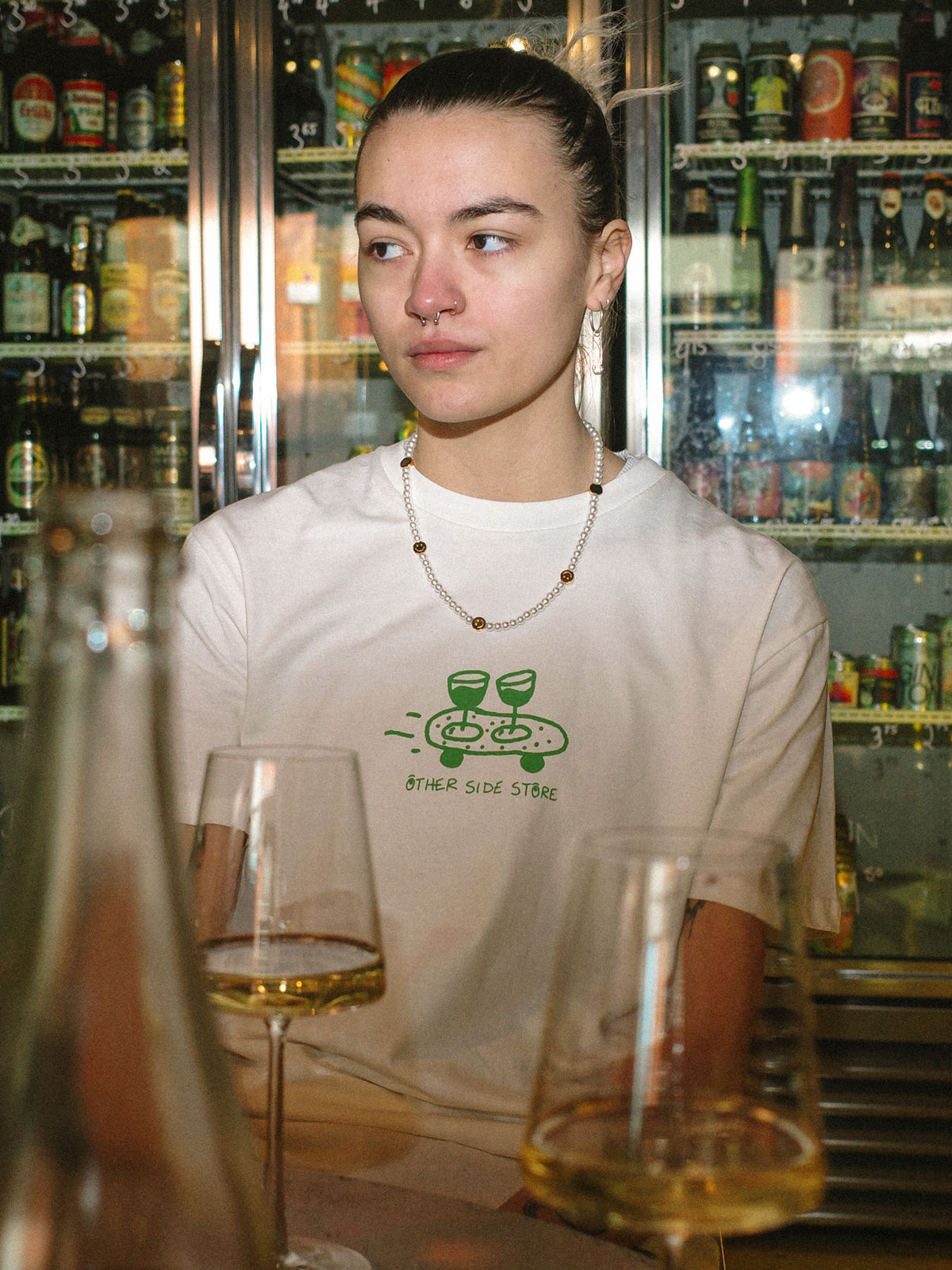
Introduction – When Style Becomes Self-Expression
Fashion has always been more than fabric and form — it’s a language, a statement, a mirror of identity. In a world obsessed with trends that change faster than the seasons, true style stands as a declaration of individuality. It’s the quiet confidence of someone who knows who they are and isn’t afraid to express it. Beyond trends lies authenticity — a world where clothing becomes an extension of truth, not just taste.
The modern fashion landscape has reached a turning point. While mass-produced trends flood feeds and fast fashion races to keep up with fleeting moments, there’s a growing hunger for meaning. People are no longer dressing to impress others — they’re dressing to reflect themselves. Personal style has become a form of storytelling, blending culture, mood, and intention into a visual narrative that speaks without words.
This movement isn’t about rejecting fashion; it’s about reclaiming it. When style becomes a mirror for inner truth, it transforms from a social construct into a personal manifesto. It’s not about what’s “in” — it’s about what feels right, what resonates, and what reflects the essence of who you are.
The Shift From Conformity to Authenticity
Once upon a time, fashion was about following. It dictated what was desirable, acceptable, or aspirational. Every era had its uniforms — from the flapper dresses of the 1920s to the power suits of the 1980s. But today, the narrative has changed. The rise of digital culture, personal branding, and social awareness has ignited a global movement toward self-definition. People no longer want to fit in; they want to stand out — but more importantly, they want to be real.
Authenticity is now the ultimate luxury. In a marketplace crowded with imitation, originality holds value. The consumer of today doesn’t just buy clothes; they invest in meaning. They seek garments that align with their beliefs, aesthetics, and emotional state. This shift is evident in the growing success of brands that prioritize transparency, diversity, and creativity over conformity.
Fashion has become democratic, open to reinterpretation. Streetwear merges with couture, vintage collides with techwear, and gender boundaries blur in favor of self-expression. The result is a cultural remix — an era where identity is fluid, individuality reigns, and authenticity is celebrated as the most powerful accessory of all.
Personal Style as a Form of Language
Style is more than visual — it’s communicative. What we wear tells the world how we wish to be perceived and, more deeply, how we perceive ourselves. It’s the first sentence in the story we tell before speaking a single word. Each garment becomes a phrase, each accessory a punctuation mark in the grammar of self-expression.
When fashion transcends trend cycles, it evolves into a dialect of emotion. A worn denim jacket might represent freedom; a structured blazer might convey focus; a flowing dress might echo serenity. Style allows individuals to articulate complex aspects of identity — confidence, rebellion, nostalgia, transformation — through the language of texture and color.
Unlike fleeting trends, personal style grows and matures alongside its wearer. It becomes a living archive of experiences — what we’ve loved, lost, and learned. This deeper connection to clothing transforms dressing from routine into ritual, from consumption into creation. The moment fashion becomes personal, it becomes timeless.
The Emotional Power of Clothing
Every piece of clothing carries emotion — sometimes nostalgia, sometimes courage, sometimes peace. The scent of an old leather jacket, the weight of a handwoven scarf, the crisp feel of a freshly tailored shirt — these sensations anchor us to memory. They remind us that fashion isn’t just visual; it’s visceral.
Psychologically, clothing influences how we feel and how we perform. Studies have shown that what we wear affects confidence, creativity, and even cognitive ability. This phenomenon, often referred to as “enclothed cognition,” highlights the profound relationship between attire and self-perception. When we dress with intention, we embody the mindset that clothing represents.
This emotional connection has fueled the rise of mindful dressing — an approach to fashion that prioritizes feeling over trend. It asks: How does this make me feel? rather than Will others approve? Through this lens, fashion becomes a tool of empowerment. It gives permission to embrace one’s story, mood, and evolution — unapologetically.
The Rise of Meaningful Fashion
In recent years, the fashion industry has witnessed a collective awakening. Consumers are no longer satisfied with surface-level appeal. They want to know the story behind their garments — who made them, where they came from, and what values they represent. This desire for connection has given rise to a new form of meaningful fashion.
Designers and brands that once prioritized aesthetics alone are now weaving purpose into every thread. Collections are inspired by heritage, activism, sustainability, and community. A dress might tell a story of cultural preservation; a jacket might symbolize resilience in the face of change. Fashion becomes a conversation — not about what’s trending, but about what matters.
This movement challenges the disposability that once defined modern fashion. Instead of short-lived novelty, it champions emotional durability. The pieces we keep, mend, and cherish become artifacts of identity. They hold stories, not seasons. Meaningful fashion is slow, deliberate, and deeply human — a celebration of both craftsmanship and consciousness.
Beyond Gender: Dressing Without Boundaries
One of the most powerful expressions of truth in contemporary fashion is the dissolution of gender norms. Clothing, once rigidly categorized as “male” or “female,” is now fluid, liberated, and inclusive. This transformation reflects a broader social shift — a recognition that identity transcends binary definitions.
Designers such as Telfar Clemens, Harris Reed, and Stella McCartney have championed collections that celebrate fluidity and individuality. Their designs aren’t about gender — they’re about freedom. Oversized silhouettes, reimagined tailoring, and neutral palettes allow wearers to express themselves authentically, unbound by expectation.
This freedom has resonated especially with younger generations, who see fashion as a playground of possibility rather than restriction. The future of style isn’t labeled — it’s lived. It reflects personality, mood, and moment. In this way, clothing becomes a medium of truth, an unspoken declaration of who someone truly is beneath the surface.